
A Love Letter
Sometimes words can touch you.

On this year’s chilly Valentines Day, I am lucky enough to spend time with my partner. They will soon be touring for a few weeks as an incredible professional dancer. I will miss them but enjoy that they can be gone doing what they are passionate about. We went out for fancy food last night, ate leftover desert for breakfast this morning, and I will have plenty of leftover love for when they are gone.
That is not what this post is about. Instead, I will use this time to share the love I have for a man. His name is Stanley and I love him. You may have heard this before.
I promise I did not plan to make this my Valentines post, and had Wesley’s permission to go ahead with the joke. This is a total coincidence and not sign of an unhealthy parasocial relationship.
Why Stanley?
Kim Stanley Robinson, or shortened to KSR if you are a cool kid, is an American speculative fiction author who straddles Sci-Fi and literary fiction. He has been a favorite of mine since 2020 and I have gained a reputation for carrying the KSR banner high in my friend group. Stanley started writing in the 1980’s and is still at it today. When he is not writing, he is usually hiking or advocating for a brighter future.
KSR books have a lot of variation, but are most known for near-futures, environmental optimism, and a consistent grounding in scientific and political realities. He is cited by notable scientists as a leading voice for environmental causes. His most recent fiction book was selected by both President Obama and Bill Gates as one of the most important books of 20201. Stanley is the real deal for environmental advocacy and it’s worth a scroll through his official Facebook to see all the talks, articles, and events he is featured in.
Robinson is a published academic and received a PhD in literature, and you can feel it. His work is steeped in influence and allusions to plays, poems, books, and styles that show his skill and knowledge. Maybe most importantly, he was a student of Ursula K Le Guinn and I consider Stanley the spiritual torchbearer to the humanism she sparked. His books are not perfect, but they do all make me think of the world differently. From terraforming mars, to Antarctica, to prehistoric wandering… no author has made me consider more ways of being.
Why Valentines?
Something huge happened last night: I received the final piece of my KSR collection. Below is a (near) complete collection of all his published works.
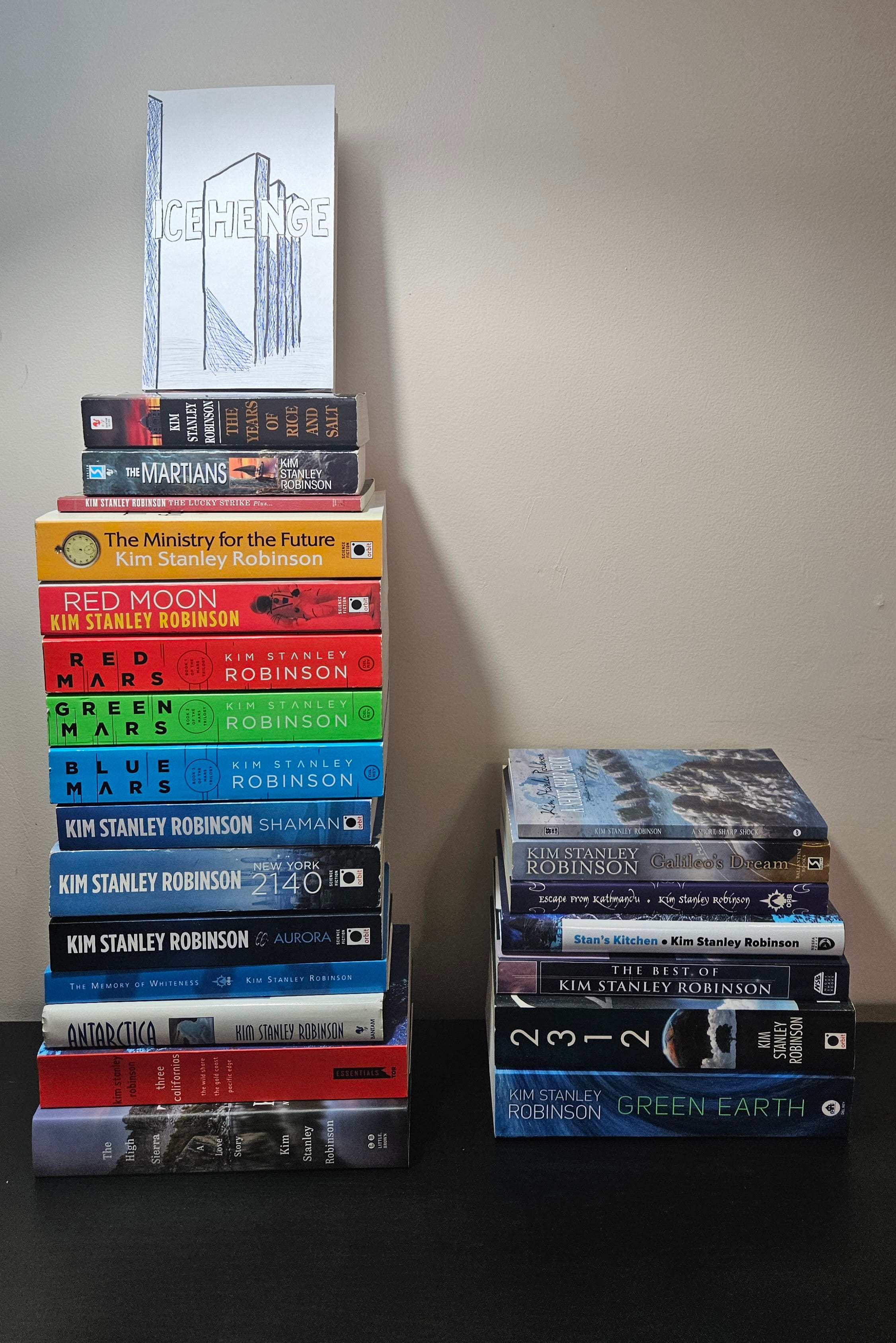
That stack represents all his novels and novellas, at least the majority of his short fiction, his latest half memoir nonfiction, and several obscure additions. I am missing a few short stories, and the individual volumes of the Science in the Capital trilogy as they were later combined into Green Earth (the single volume is the version Stanley recommends with updated climate science). Ignore my hastily drawn Icehenge replacement. My copy is being borrowed and hopefully read.
To the left are the 16 books by Stanley I have read. To the right are the books I need to read. I am keeping the stacks on top of one of my new bookshelves and will have everything on “read” by the end of the year.
Where should you start?
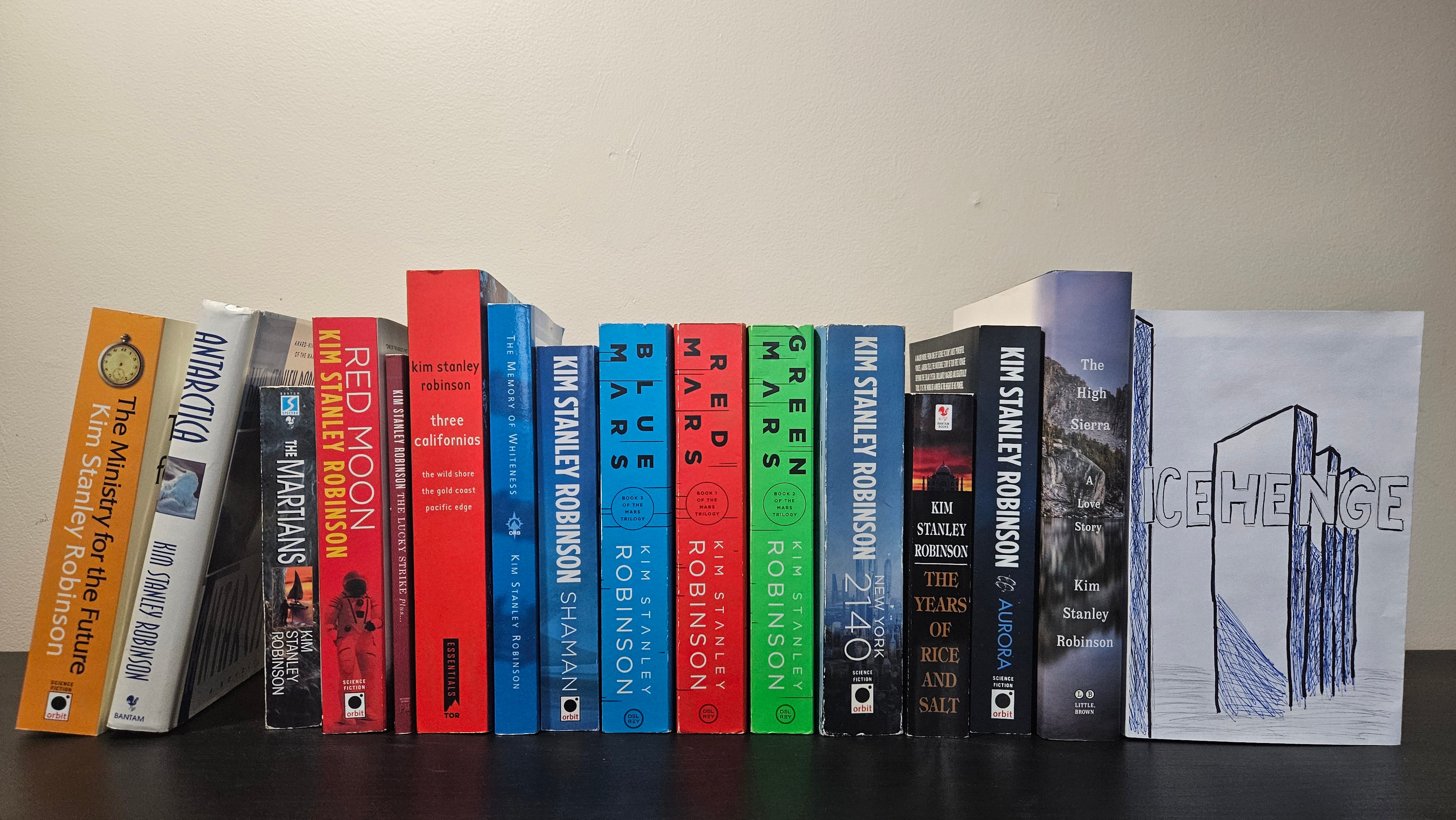
Starting from right to left, this is my current ranking for KSR books. My mood and memory changes so the placements are not set in stone, but if you want a simple ranking here you go:
For a more tailored recommendation:
New York 2140 - 2017
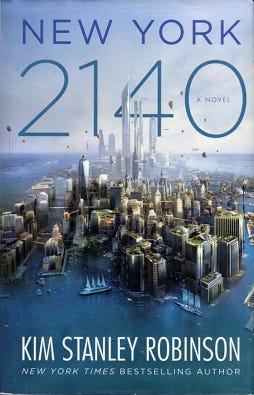
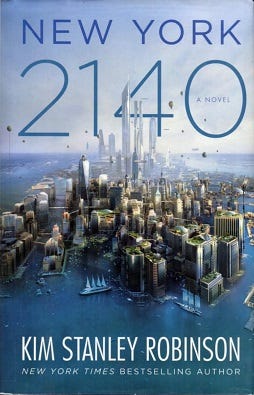
NY 2140 was my first KSR and the book I have had the most success getting friends to read. Its a relatively lighthearted character focused romp across the flooded streets of New York City post Climate Change. Most authors would make this premise to be a dystopia while Stanley pivots from ruin to hope. Instead of showing suffering, Stanley shows the occupants of a sunken apartment complex forming a community and supporting each other. To fit the final section of the book, the experience is a “Comedy of the Commons” both hopeful and sincere while not ignoring the serious challenges barreling towards all of us in the 21st century.2
There is a chapter in 2140 that I always remember clearest. Its about halfway through the book so characters are familiar with each other and starting to form their little group just as a hurricane hits the city. I first read this scene during a tornado watch, listening to the rain and wind strike my parents house with candles for lights and no electricity. The timing for my read was memorable, but more importantly I remember feeling moved by the community and strength of the characters. A few months later, I would remember this scene and have a second wave of feeling as I drove across Florida the day after a hurricane. I was going to visit and help Wesley who went to school on the other side of the state, because they had been hit by the storm worse than I was. Miles went by and the destruction increased, but so did the signs of community and resilience with work crews already clearing the highway, shelters in full operation, and people moving on. At the time, I was studying sociology and doing a lot of pondering on my relationship to my community and country. Never have I felt more patriotic and thankful to be a part of something bigger than looking at the disaster relief efforts. I don’t want to spoil the book, but that is very fitting for it’s vision of America.
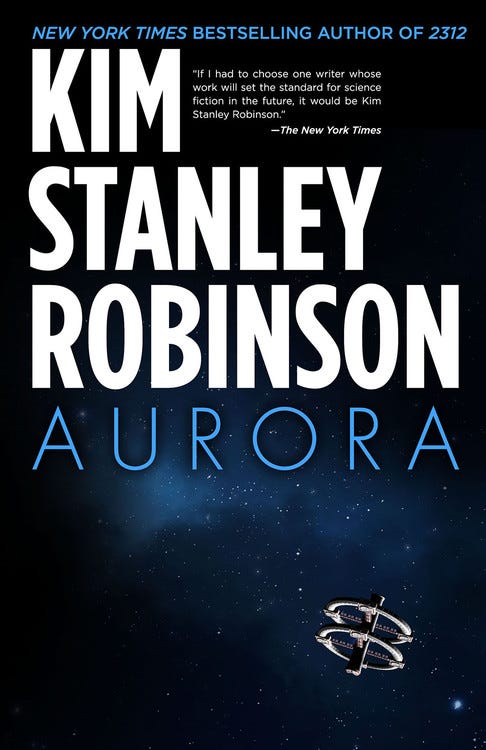
Aurora - 2015
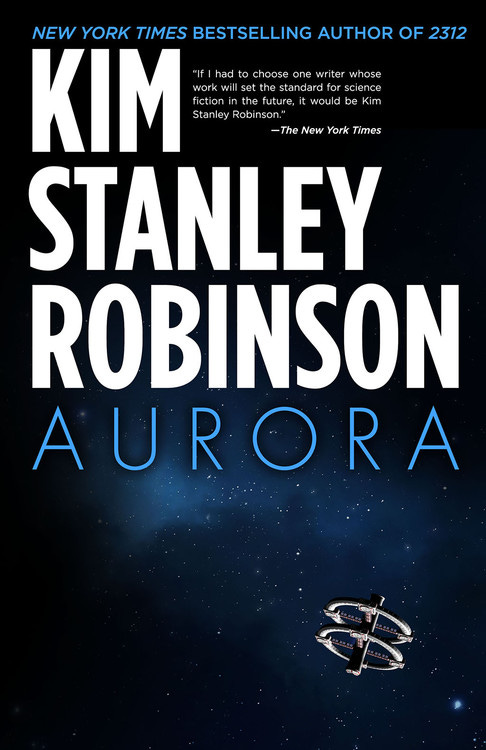
This is my recommendation for any who want a grounded Sci-fi book on space exploration. You won’t find warp drives, lightspeed, or alien battleships but Aurora proves that with only real science there are still stories worth telling about space and what it will be like to travel the stars. The titular Aurora is a colony ship 180 years into a 200 year journey towards an earthlike planet. Deceleration towards the final approach has begun and the ship struggles to not to fall apart after generations of travel. What is there to do when things start to fall apart and help is 200 years away?
Aurora is not a hopeful or “fun” read. When I read it, I had been expecting more of Stanley’s utopian bend and was struck by the grim reality. It put me in a funk for a week when I finished.3 Still though, I have returned to it several times now and keep finding more to learn and enjoy even in a story deliberately not showing an easy future.
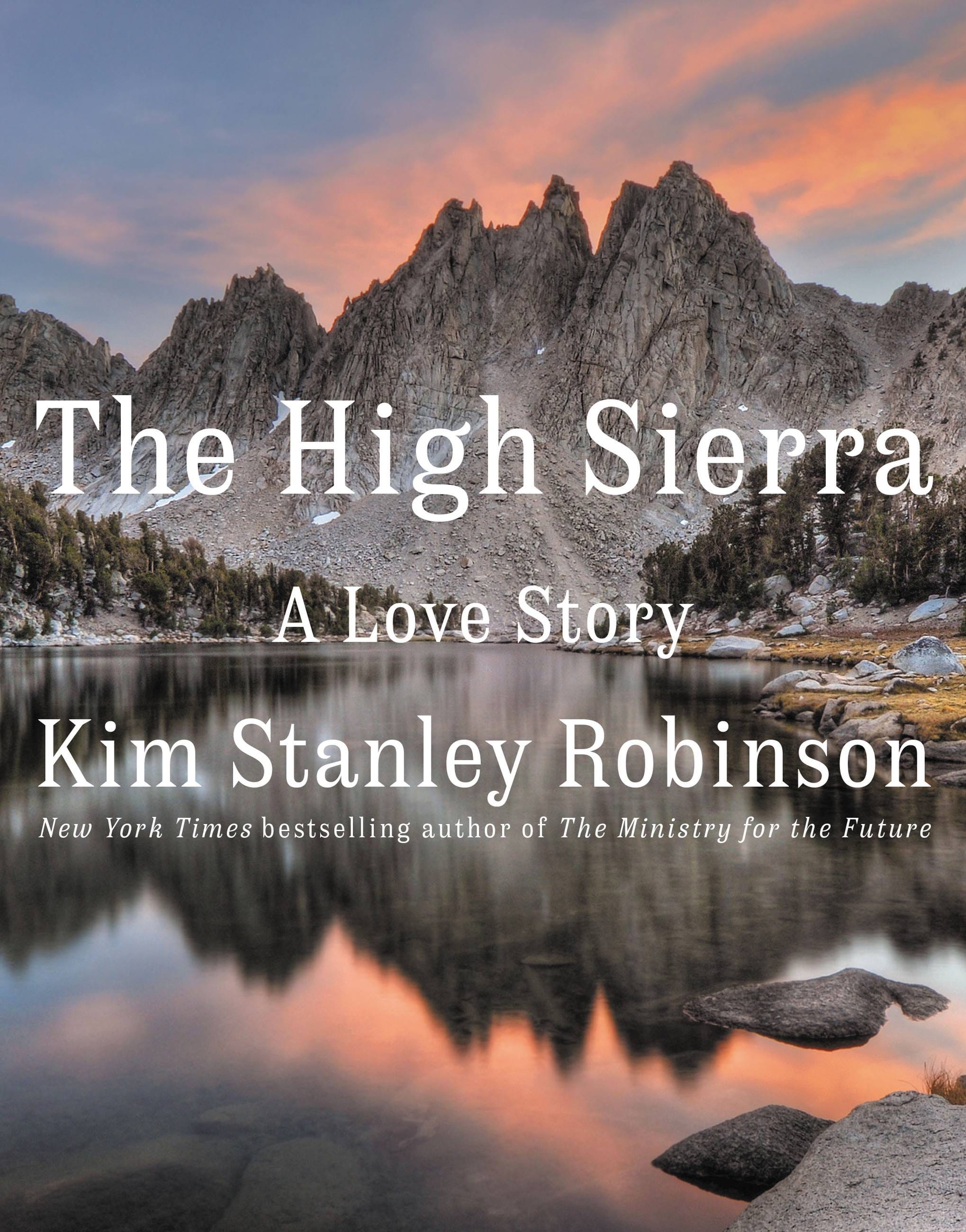
High Sierra: A Love Story - 2022
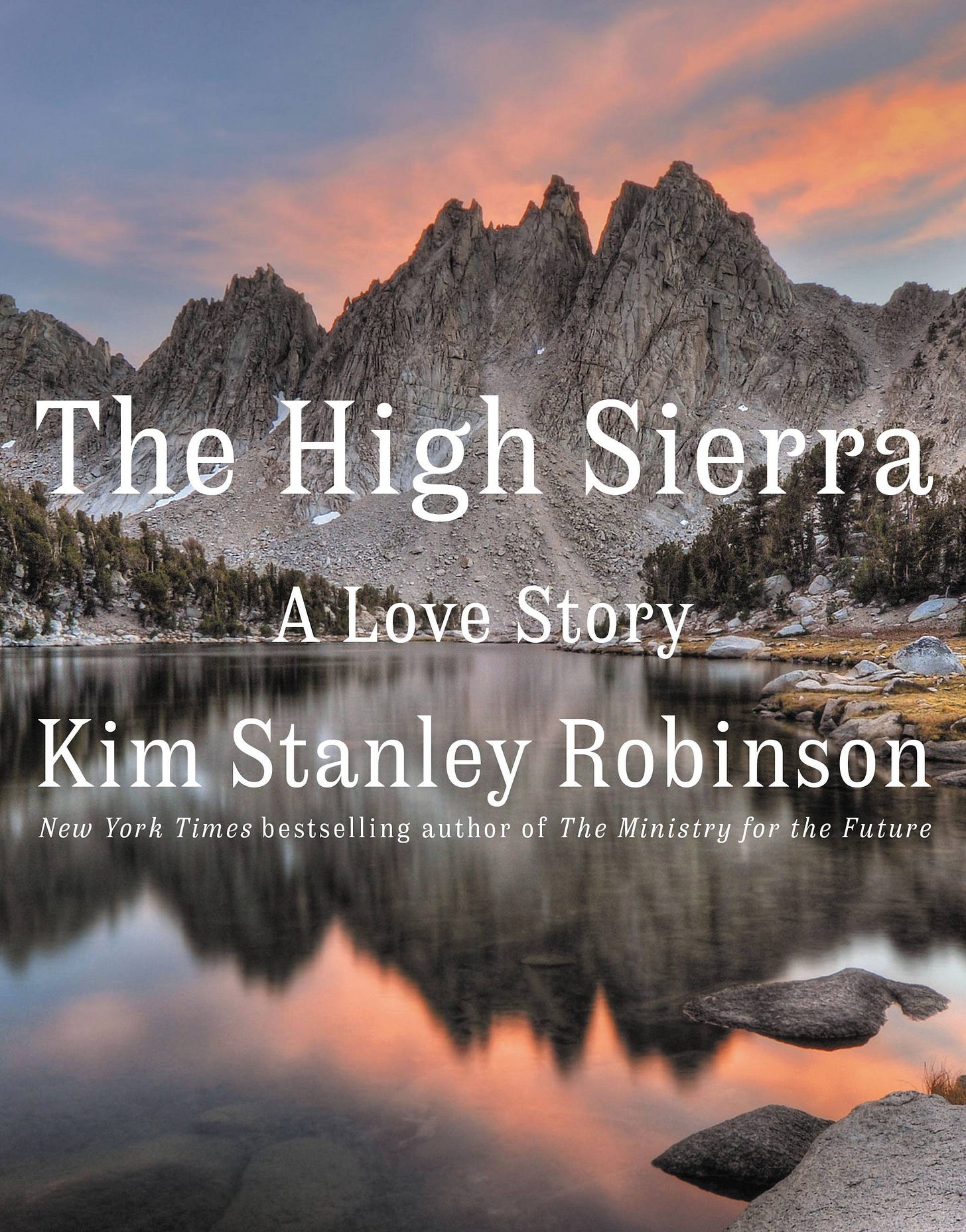
After decades of hiking the peaks, KSR has a lot to say about the Sierra Nevada mountain range. This book is part memoir, part geology/history/ecology textbook, and part poetry. It’s lovely. I recommend High Sierra to anyone and everyone. The author himself narrates the audiobook and it feels like a cozy campfire story session, but the physical book is filled with a gorgeous collection of maps, diagrams, and pictures so you cannot go wrong in any format.
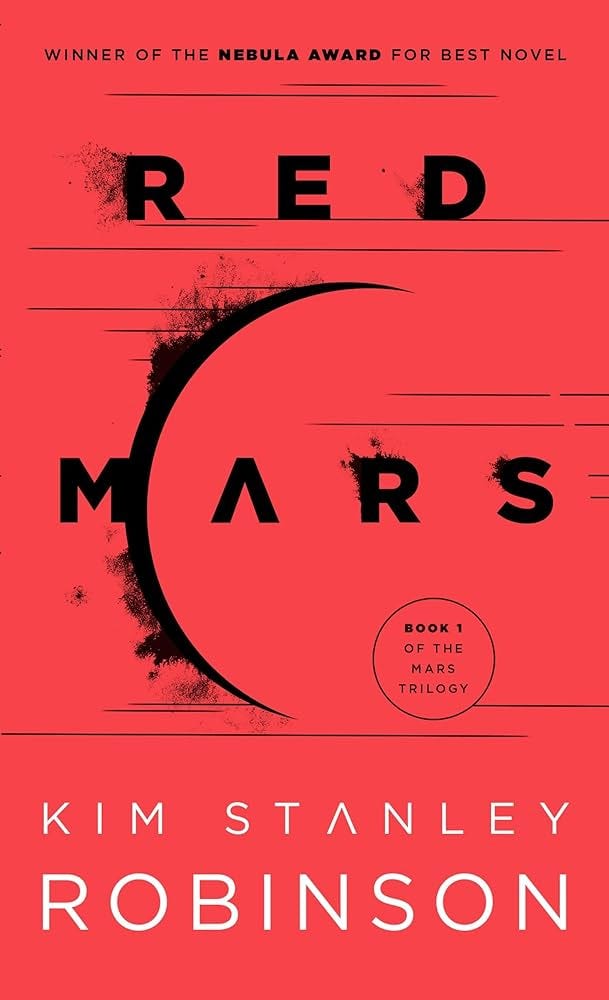
Red Mars - 1992
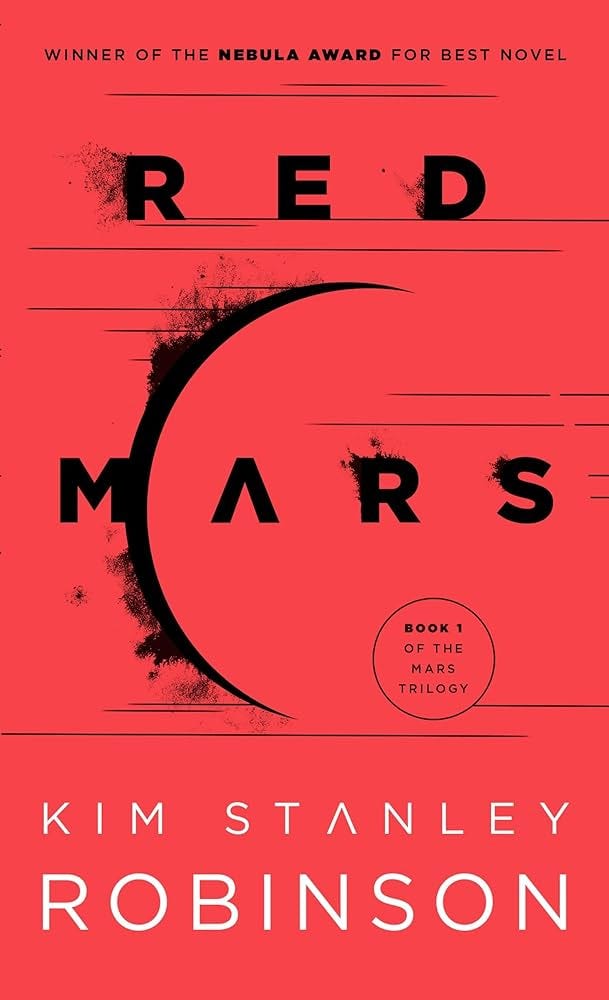
The Mars Trilogy is KSRs most famous contribution to the Sci-fi cannon. Starting with the first settlement, Stanley created a massive vision of humanity growing into our potential and beyond earth. Red Mars alone shows decades of struggle and collaboration to shift the landscape of the red planet and what is possible for humanity. Change is not easy, but the red planet marks the first chance humanity has ever had to truly start fresh and build a new kind of society. There is no better series to discuss the process of terraforming a planet, and the mars trilogy does so alongside a tense political struggle and great characters who will fight for their dream for the red planet.
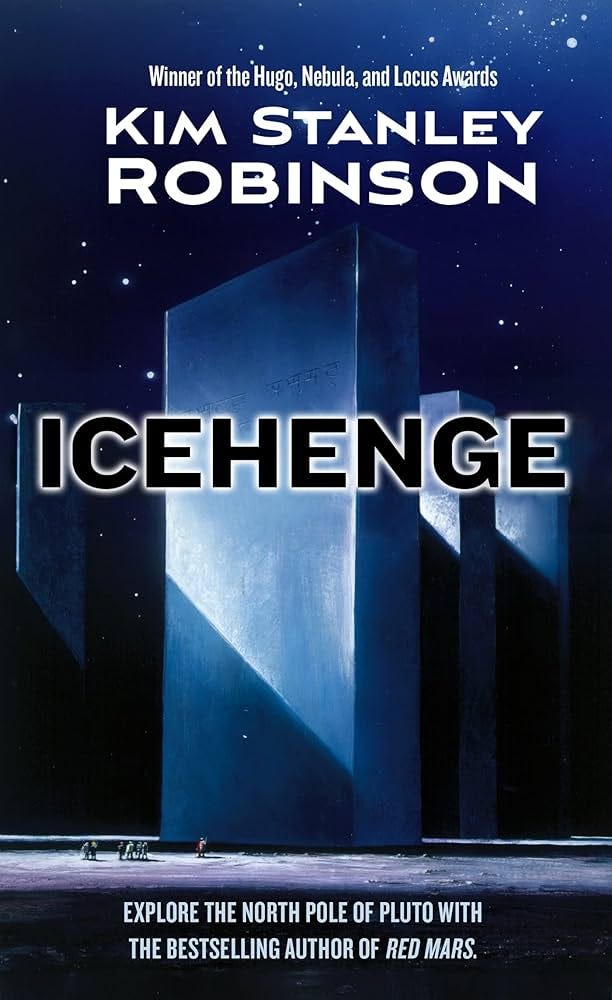
Icehenge - 1984
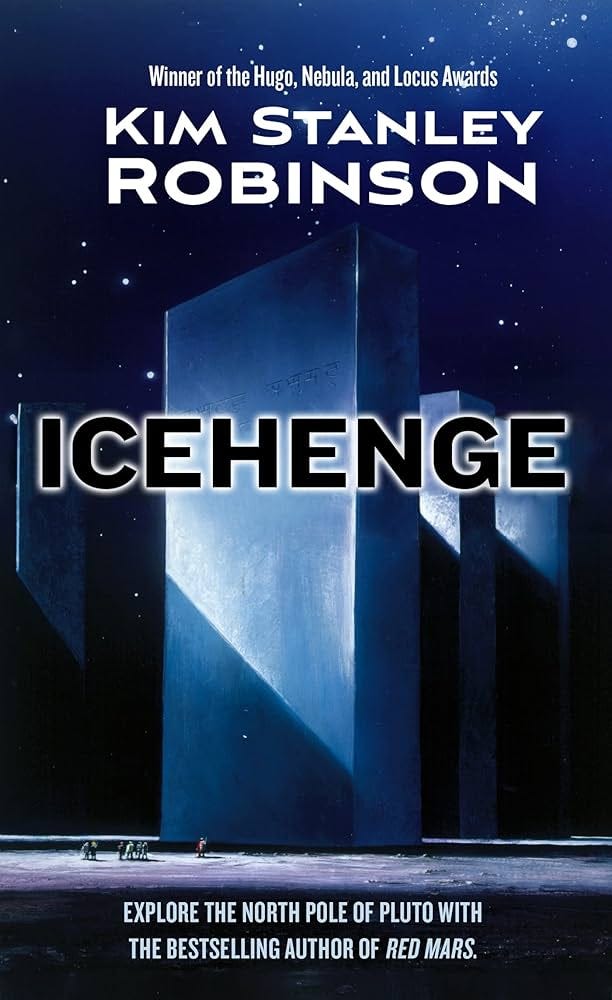
My favorite book by KSR and remarkably one of his first works. Icehenge is a short and focused book that stands on it’s own and towers over my imagination (get it? like a big ice plinth…). It’s told in three parts and three times, all surrounding the discovery of a mysterious monument on Pluto. To complicate matters, humanity has advanced medical science to extend a human life indefinitely, but the human brain remains only able to reliably store memories for scant decades. Where did Icehenge come from? Why was it built? What is the point if no one remembers?
I think this book is brilliant and stands on its own. It leads a reader to consider massive themes and provides satisfying answers. A book about archeology and historical record in a future beyond memory is genius, and Stanley succeeded on all fronts.
What KSR am I excited for?
The most surprising find in my quest to collect all books KSR was Stan’s kitchen.
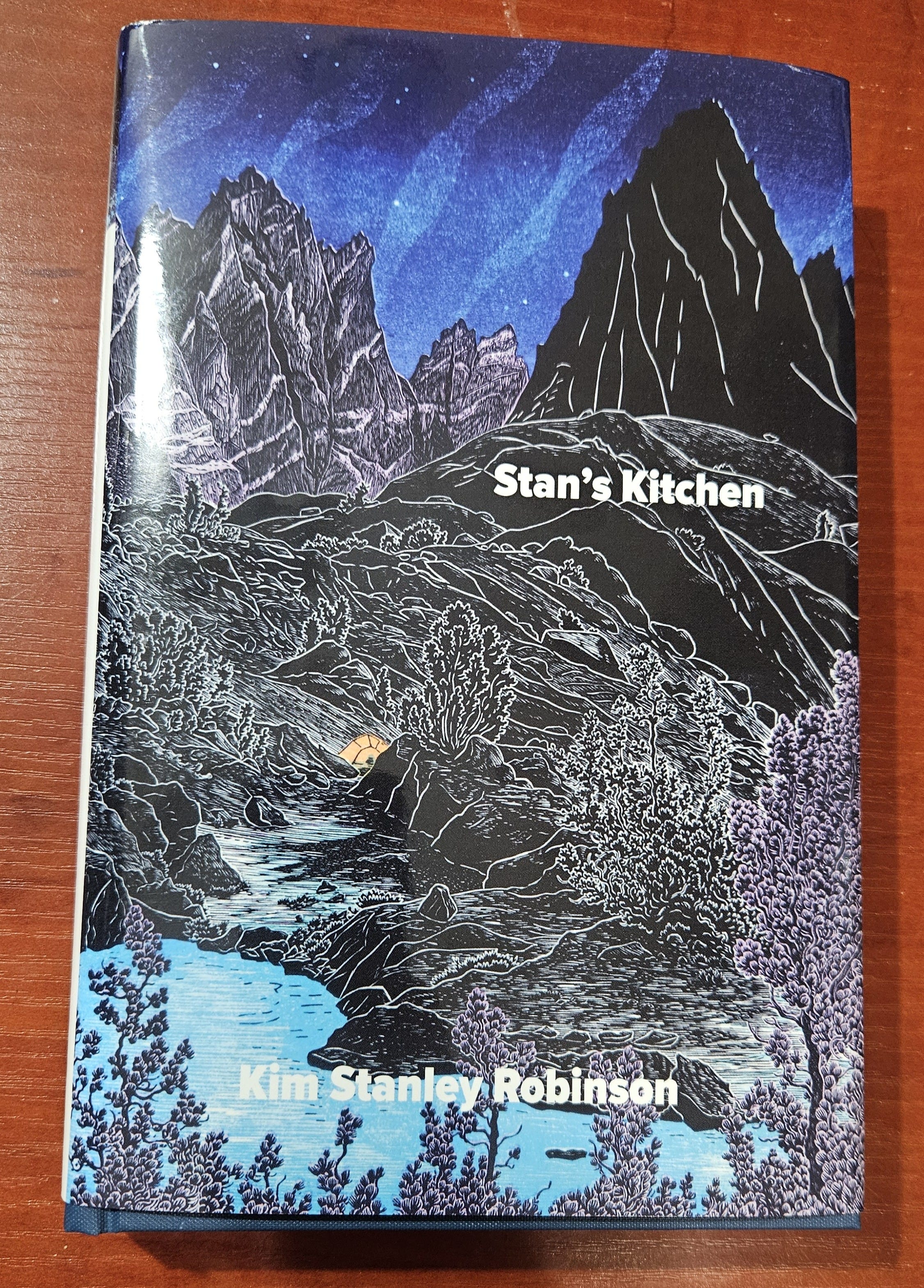
Obviously it’s beautiful. Only 600 were printed for a science fiction convention held locally for the New England Science Fiction Association.4 I have copy 149. The convention was the year before I moved to Boston, but I was able to order a copy from the associations website and will keep an eye out for the guest lists going forward.
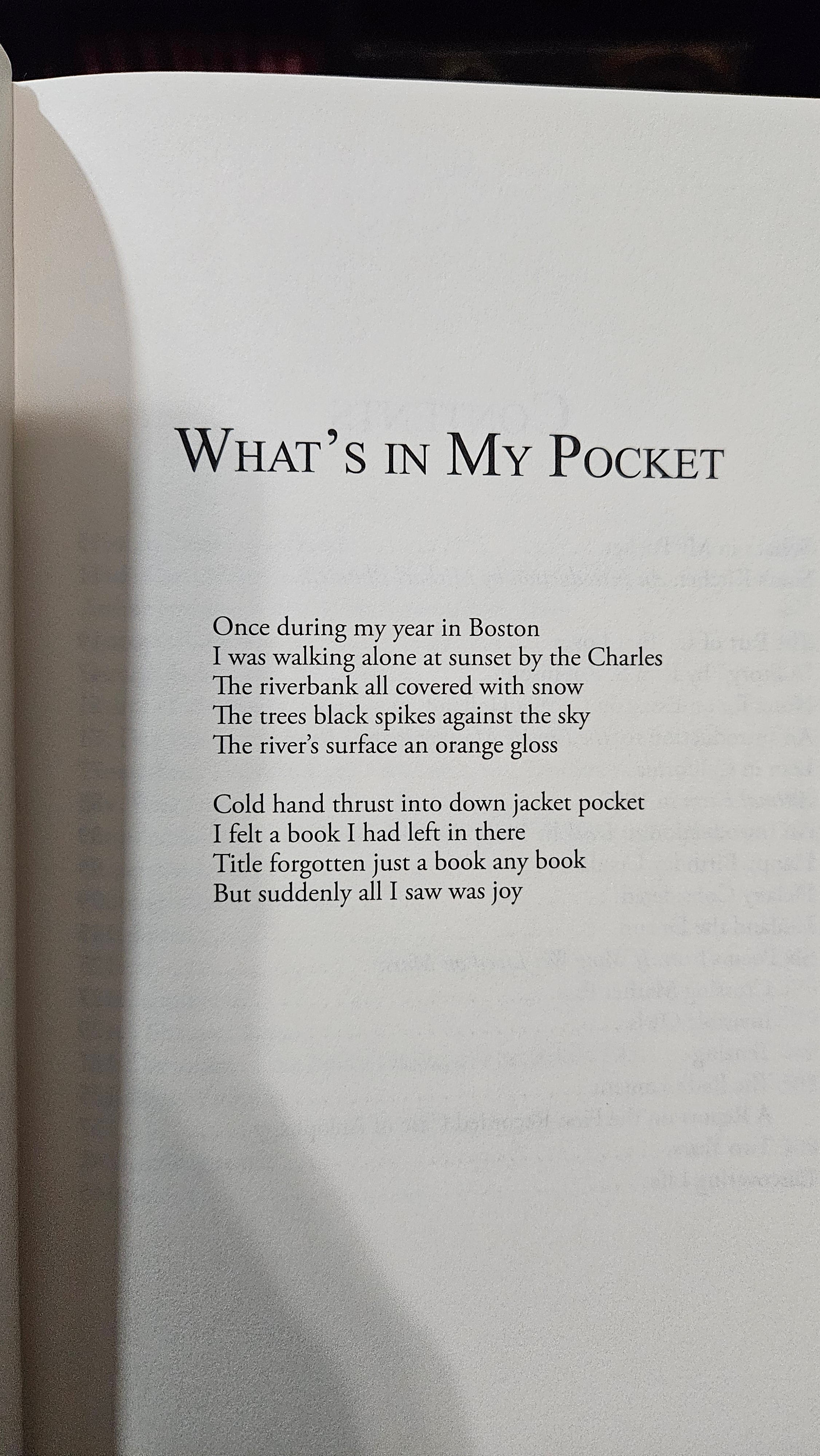
I plan to read Stan’s Kitchen as the final KSR book on my stack. It is a collection of short stories, essays, and poems he collected to give a reader the feeling of sharing stories as a guest in his home. I loved Stanley rambling with personal stories in High Sierra, so I hope I will get a similar feel here.
What’s Next?
I will do my best to write again soon, but I have a lot of KSR to read now…
Look, I know I rank Ministry for the Future as my least favorite of his books while still using it’s acclaim as a reason for his relevance. I get it and will accept hypocrisy. In exchange I get to keep being mad about Obama and Bill Gates showing hypocrisy by praising a book that is expressly about people like them only showing verbal support for change while not using their power to stop climate catastrophe.
This is a fun review for 2140 that includes a map of projected sea-level rise over NYC that is worth checking out.
I have described this book as having the tone of the Donner Party 200 years from aid…
The convention held by NESFA starts today! I can only speculate that Valentines day is a cheap day for convention space, but I hope they have a great event!
You’ve convinced me! Haven’t picked an audiobook yet after finishing my last one so I’ve downloaded New York 2140. Happy Valentine’s Day to you and Wesley, and I hope they have a safe and fun tour!